




Tanzania cancelled 40 mining exploration licences and put a further 43 licence holders on notice in April, in a crackdown that reflects the government’s determination to end the practice of hoarding mining blocks without development and to redirect recovered ground towards women, youth and people with disabilities.
Minerals Minister Anthony Mavunde told journalists in Dodoma that the revoked concessions cover approximately 900 square kilometres, with licence holders accused of holding land for years without meaningful investment, failing to pay statutory fees, neglecting local content requirements and failing to meet corporate social responsibility obligations. “Some investors hold land for many years without any meaningful investment. This is a wastage of economic opportunities and a catalyst for environmental destruction and conflicts. We do not want to see our resources turn into a curse. Mining must go hand in hand with environmental conservation,” said Mavunde.
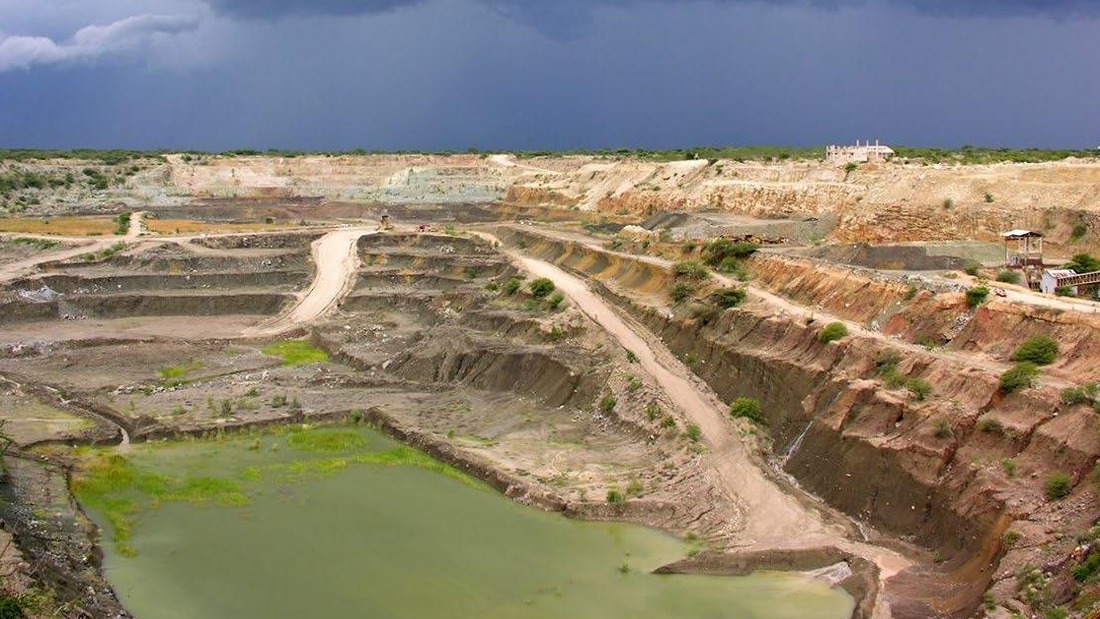
The environmental dimension of the crackdown is as significant as the economic one. Stakeholders have long raised concerns about how neglected exploration sites become hubs for unregulated mining activity, with informal miners entering abandoned blocks in search of gold and leaving open pits that fill with water during rains, collapse and pose risks to livestock and humans. Emmanuel Joseph, a small-scale miner from Kanegele village in Geita Region, described the pattern vividly, “Whenever it rains, even a little, the pits are filled with water, causing their walls to collapse.”
Mining engineer Maloda Mandago of PaulSam Geo-Engineering Company warned of the cumulative damage of unmanaged sites He said, “An entire location can be full of open pits and trenches without plans for rehabilitation. This is risky especially with acid mine drainage and mercury contamination. Once mercury enters water systems, it moves through the food chain and ultimately affects human health.” In addition, the Legal and Human Rights Centre, Clay Mwaifani noted that unsustainable mining practices create fertile ground for exploitative social systems, with discrimination in remuneration, lack of safety and absence of basic services threatening human health and dignity.
Sokoine University of Agriculture’s Professor, Pantaleo Munishi urged the government to ensure its approach adheres to scientific and environmental principles. “The problem is not mining itself but how it is conducted, sometimes without planning or consideration of environmental and legal procedures,” explained Munishi. In conclusion, the Chairperson of the Shinyanga Regional Small-Scale Miners’ Association, Hamza Tandiko, said that if revoked licences are allocated to small-scale miners, they will ensure activities are carried out in accordance with the laws and regulations. The crackdown is not merely punitive, it is an attempt to align mining activity with environmental stewardship, economic inclusion and the long-term interests of the communities that live closest to the ground.