



Tanzania has identified rare earth element deposits in its southern highlands, adding a potentially significant new dimension to the country’s growing critical minerals profile at a moment when global demand for these materials is intensifying.
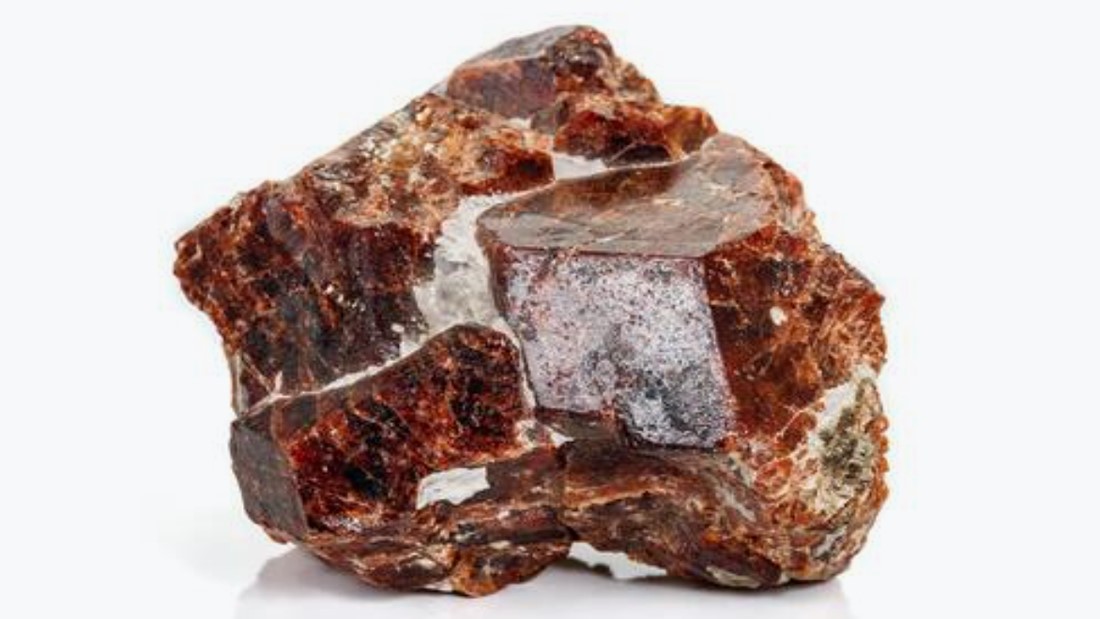
The newly discovered deposits, located in Mkiu Village in Ludewa District of Njombe Region, contain neodymium and praseodymium, two highly sought-after strategic minerals used in electric vehicles, wind turbines, smartphones, defence systems and renewable energy technologies. The discovery was identified during ongoing exploration activities, with Resident Mining Officer Engineer Lucas Mlekwa confirming that authorities are now evaluating the size and economic potential of the deposits ahead of possible large-scale investment and export development.
The exploration is being conducted through a partnership between the Tanzanian government and Chinese company Hongji Mining Co. Ltd, a collaboration that reflects China’s deepening involvement in Africa’s strategic minerals sector. China currently dominates much of the global rare earth supply chain, controlling large portions of processing and refining capacity used in advanced manufacturing worldwide. Its presence in Tanzania’s rare earth exploration adds another dimension to an already complex geopolitical picture around critical mineral access.
Tanzania is not yet ranked among Africa’s leading rare earth producers. South Africa, Madagascar, Burundi and Malawi have all attracted greater international attention in the sector to date. The Njombe discovery, if commercial viability is confirmed, could position Tanzania as an emerging challenger in a sector where global demand is growing faster than supply can be reliably secured. Combined with the country’s existing graphite, nickel, gold and natural gas endowment, it adds further weight to Tanzania’s case as one of East Africa’s most consequential mineral jurisdictions.