



Tanzania Development Bank is urging development finance institutions across Southern Africa to pool capital for large-scale industrial projects, seeking to leverage completed infrastructure and support the country’s ambition to become a $1 trillion economy by 2050.
Speaking on the sidelines of the 9th Southern African Development Community (SADC) Industrialisation Week in Durban, South Africa, Chief Executive Officer Deogratius Kwiyukwa called for closer cross-border financial collaboration to fund industrial ecosystems, local mineral processing, and agricultural value addition.
“Industrialisation requires patient capital and regional partnerships,” Kwiyukwa said. “Development finance institutions have a unique role in mobilising resources for projects that are too large or too strategic for conventional commercial lending.”
Tanzania has directed billions of dollars into foundational public infrastructure, including its Standard Gauge Railway (SGR), port expansions, highway networks, and power generation assets. Kwiyukwa emphasized that the state lender’s immediate priority is transforming these physical assets into integrated commercial corridors connecting special economic zones, mining sites, agricultural hubs, and export terminals.
“The key message from the discussions is that Southern Africa must move beyond exporting raw minerals. The region needs to invest in processing and manufacturing so that more value, jobs, and income are created within our own economies,” Kwiyukwa said.
To achieve this, TIB plans to co-finance entire industrial value chains alongside regional peer institutions. Key target initiatives include manufacturing zones along rail corridors, port logistics and cold storage, and energy-intensive manufacturing ventures enabled by new power capacity.
“As TIB, we are here to strengthen collaboration with other financial institutions so that we can combine resources to finance major development projects being implemented by SADC member states,” Kwiyukwa said.
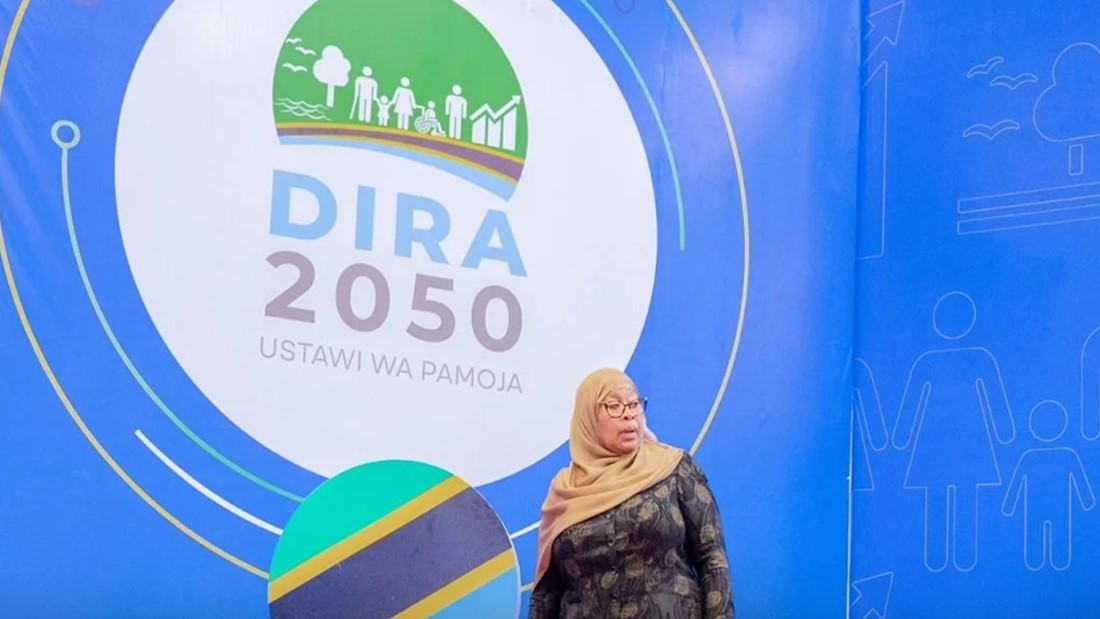
The state-owned lender has previously extended concessional financing to public infrastructure projects and industrial processors in the coffee and sugar sectors. Expanding TIB’s balance sheet through regional partnerships and capital injections remains critical to backing larger-scale manufacturing investments aligned with Tanzania’s Development Vision 2050 framework.