



A combination of rising mineral production, expanding geological knowledge and a growing pipeline of critical-mineral projects is giving Tanzania a stronger proposition as mining capital searches for its next generation of African opportunities.
The investment case was put forward at the 24th Africa Down Under Conference in Perth, where Deputy Minister for Minerals Steven Kiruswa outlined the country’s mineral potential and reforms to international mining stakeholders.
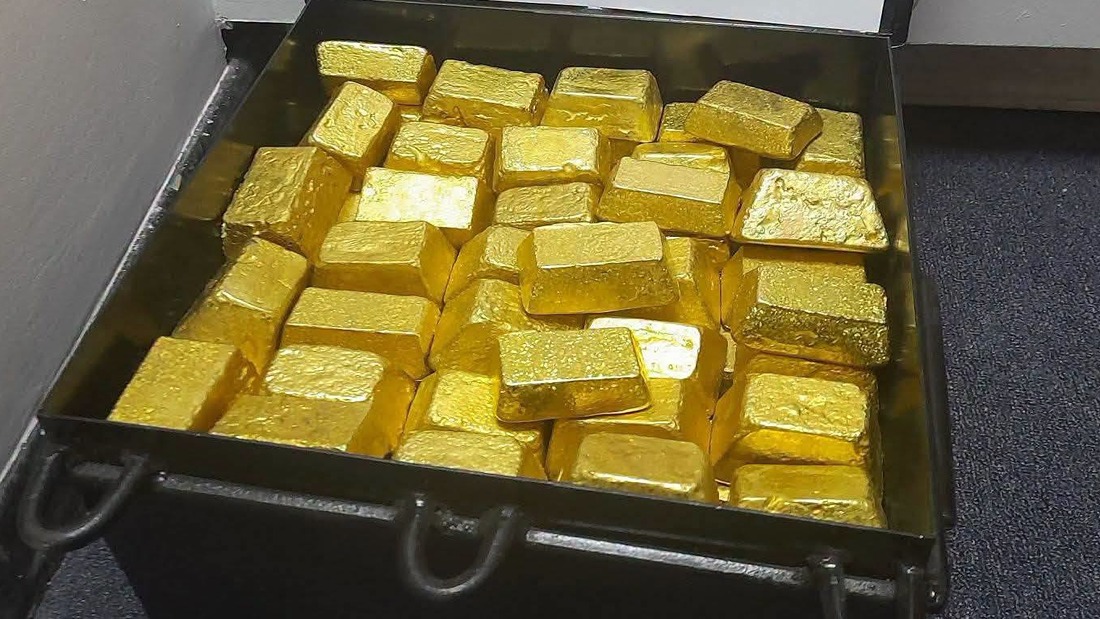
Mining accounted for 10.3% of GDP in 2025 and approximately 53% of total export value, while gold production rose to 68 tonnes from 61.7 tonnes in 2024. Tanzania has also achieved 98% geological mapping coverage through the Geological Survey of Tanzania, with the Government targeting detailed exploration coverage of 50% of the country by 2030, compared with approximately 16% currently.
That expanding geological database is central to the next stage of the country’s mining strategy, particularly as Tanzania seeks to attract investment into critical and strategic minerals including graphite, nickel, lithium, helium, cobalt, titanium, copper, aluminium, niobium and rare earth elements. The Government is also allocating 10% of mining revenues to mineral exploration and geological research, signalling an effort to reduce one of the longstanding barriers to investment by improving geological understanding and identifying new opportunities.
Several projects are moving towards development. Nyanzaga Gold is reported to be about 65% implemented, with production expected in the first quarter of 2027, while investment discussions exceeding US$500 million are under way for Kabanga Nickel. Commercial production at Mahenge Graphite is expected in 2028, while Panda Hill Niobium continues to advance Tanzania’s strategic minerals portfolio.
Established operations at Geita, North Mara and Bulyanhulu provide an existing production base as the country seeks to attract new capital. At the same time, reforms are aimed at improving the investment environment through changes to Framework Agreements, digital mining licensing, local content mechanisms, mineral markets and buying centres.
“We have minerals. We are investing in knowledge and skills development; we are improving the investment environment and we are ready to partner with investors,” said Kiruswa. The proposition now extends beyond Tanzania’s resource endowment. The country is seeking investment that can support exploration, development, processing, beneficiation, technology transfer and the creation of deeper domestic value chains.
That combination could become increasingly important as competition for mining investment intensifies across Africa and investors place greater weight on geological potential, regulatory certainty and the ability to build commercially viable mineral industries.